Hi. I’m a combination knitter making my first sweater. The pattern for the sleeves states to “ increase 1 stitch on each side of the next row on row :2-6-10-14….” Etc. all these rows would be the purl side of the stockinette fabric.
My question is - can anyone guide me to a video that shows how combination knitters should handle increases. And can you clarify when I’m supposed to do this? According to the diagram the sleeve gets wider as it goes up towards the shoulder so I assume the increases should happen at the beginning and end of the row. My biggest question is HOW to do the increase.
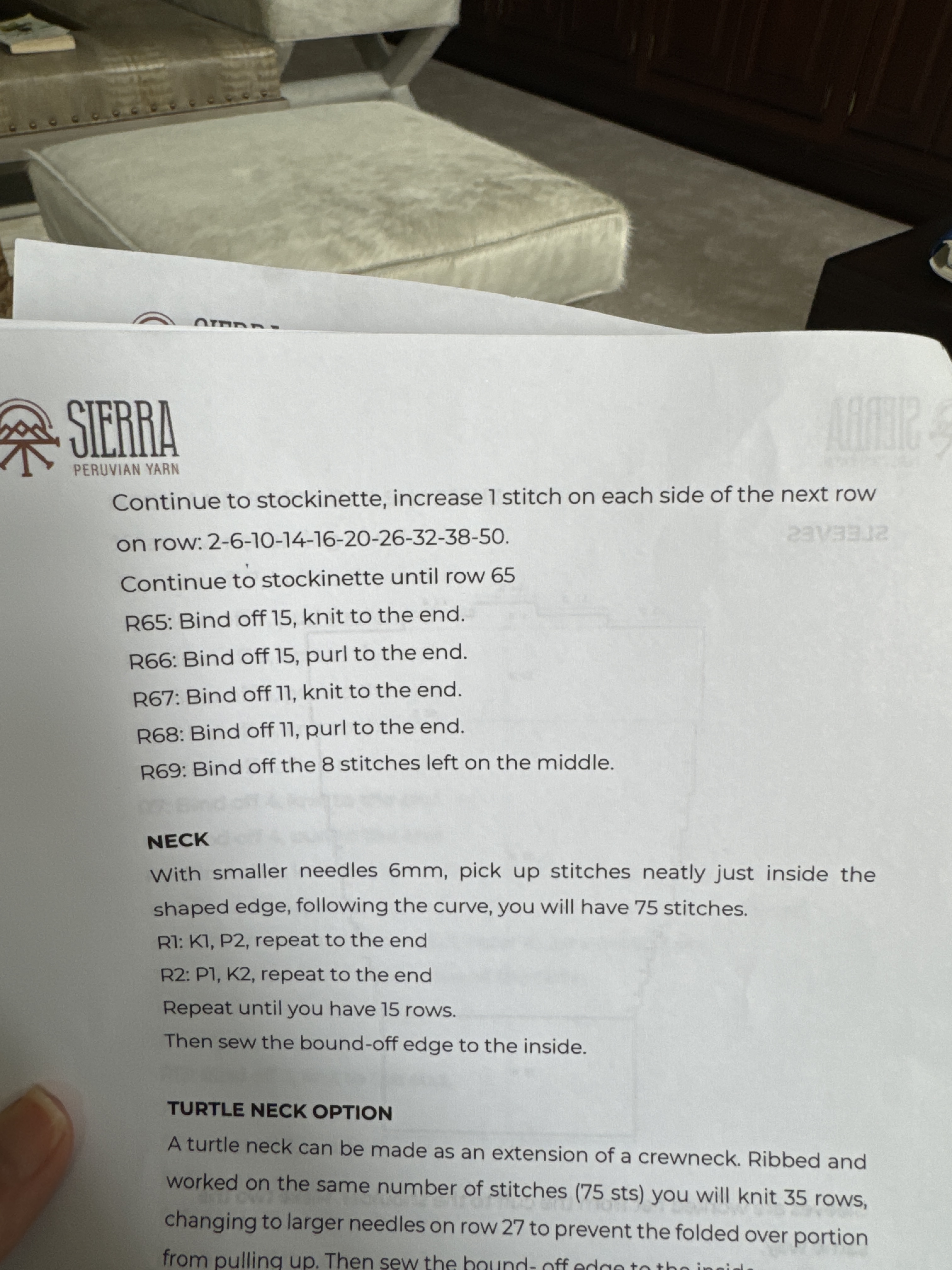
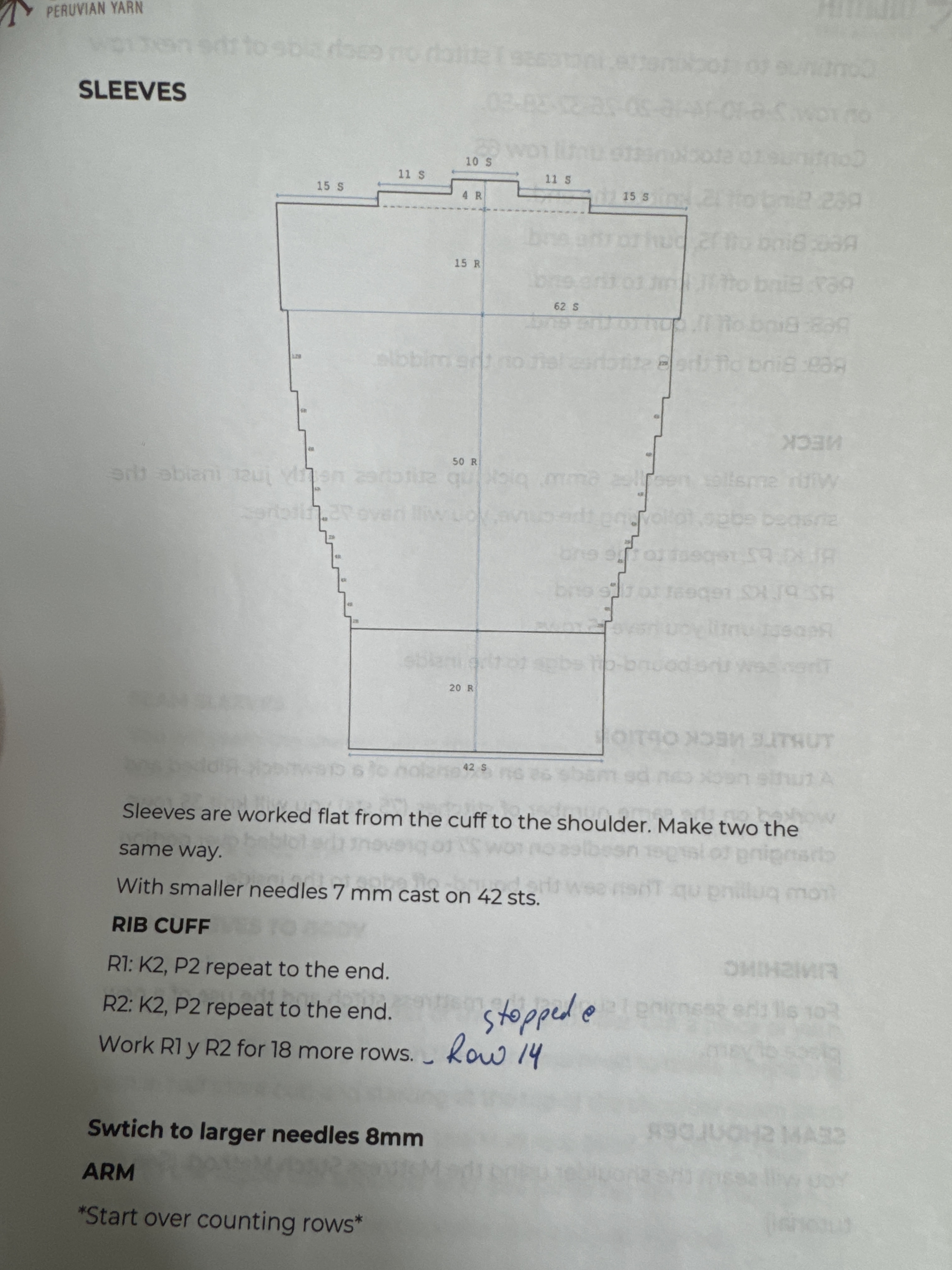
My first reaction, without having seen the previous page: are you really sure those increases are on the purl rows and not on the knit rows? In this context I think most pattern designers would put the increases on the knit rows.
There is no difference in how one does the increases regardless of if it is just continental knitting or continental combined knitting.
What is the name of your pattern and does it specify an increase? If it does is that the one you want to use or will you use another? If we know which increase you’re using we might be able to work it with the stitch oriented as yours is and offer help. As long as you’re aware that front leg actually means leading leg of the stitch you should be able to work any increase I think. Some might be easier if the stitch has the leading leg in back and you reorient it to have the leading leg in front. I don’t do combination so must say I don’t have first hand knowledge. I would however love to help you figure this out.
I am assuming it’s on the purl rows because the even rows are always purl in this project.
I posted a picture of the pattern instructions and the sleeve diagram. It does not specify a particular type of increase. I will look for the pattern name - it’s by Sierra Yarns
You can always switch these increases to the following knit rows if that’s easier. One row here or there isn’t going the make much difference.
What increase do you like to make? Do you use a Make 1?
I might take the easy way out and use a yo increase one or two stitches from the edge then ktbl on the next row to minimize any resulting hole. Or ptbl if you should purl. A yo on the purl side would be a ktbl on the next row which works out nicely IMO. The increases seem to be next to edges that will be seamed and some deviation won’t really show if the seam is on the inside of the arm. Knitter’s choice. This knitter usually opts for making it easy as long as it does what needs to be done and isn’t ugly. I’d be pickier if it would be front and center of the garment when worn.
That’s my question. I’m not sure which increase to use and if there’s a difference between them considering that I’m a combination knitter (which affects the way my stitches sit on the needles). I know a YO will make a hole. I don’t think I want the holey effect here.
No, holes may not be the look you want but if you knit into the back loop on the knit side to twist the yarn over, you’ll close up the hole. This is what GG is suggesting. It’s really a Make 1 worked over 2 rows with a bit more yarn available due to the yarn over. I like this way of increasing in some cases.
What is the name and designer of your pattern?
As far as the appearance and ease of working there are definite differences between types of increases. Easy? Yo then work through the back loop/trailing leg is for me the easiest. As salmonmac pointed out this closes up the hole. Kfb might work for you and on one end you’re all set for the mirrored increase. For the other you probably would want to reorient your stitch and move the leading leg to the front of the needle. I avoid the m1 that uses the thread between stitches because one is so hard to work. For lifted/raised increases you’d need to be sure you’re working with the leading leg.
Mirror kfb
https://www.youtube.com/watch?v=ANETYK0hbZw
Unfortunately videos specifically for combo knitting seem to be extremely rare.
Lifted increases
https://www.youtube.com/watch?v=A5o6InkSzWE
Yes, videos for combination knitting are rare. I’ve found a few to help with decreases, and it’s a simple switch once you know which way the stitch is supposed to lean, but I haven’t found anything for increases. After watching about 30 different videos, I am going into the bar between the stitches, from back to front (on my purl side) which is like the knit side usually demonstrated, and then I’m purling thru the front leg which is trailing…I think it’s basically the same as the knit version, except I’m purling because of my stitch style. It seems to be working. I’m so confused, I’m not even sure what type of increase this is. However, the yarn is forgiving and I don’t see any obvious holes or indication that the stitches are added. And it will end up under the arm seam so it won’t show anyway. I have another question - looking ahead at the pattern, my next step after knitting up the two sleeves is to pick the stitches around the neckline and do some ribbing. It does’t say if I should do the back and front separately or if I’m supposed to do that as one circle. The last instructions tell me how to assemble the sweater using the mattress stitch. In your experience, how is the neckline done? The instructions on this pattern are pretty spare- and it’s marketed as an easy pattern 
The pattern is designed by Marita Cornejo, using Sierra Peruvian yarn. This is not written for someone who is a beginning sweater maker…
I am a combination knitter myself. I can assure you there is no difference in how you do the yarn over, m1 or lifted increases. Any video showing how to do those increases will also work for combination knitters. The only exception is the KFB family of increases, and that only in case the previous row was purled. If you want identical result to “normal” knitters you need to change the orientation before doing the KFB.
1 Like
I’m assuming that in your combination knitting, that you are wrapping the knits anticlockwise and the purls, clockwise? Then working the following stitches tbl if relevant?
If so, I’d work R and L lifted increases. They merge well into stockinette. You’d work them the same as your rows below those on the needles will be untwisted. If worked on the purl side, you’d wrap clockwise as usual for you, and then work all the knits tbl if you’re knitting flat.
It shouldn’t be any different for you. 
2 Likes
I’m not sure about this pattern. It seems to tell you to begin the neck without mentioning sewing a shoulder seam first, but perhaps there is a different construction style for this sweater.
Flat knit sweaters can have a flat knit neckband where one shoulder seam is sewn so that the stitches across front, and back are picked up in one go and knit flat, then the second shoulder and the neckband are seamed at the same time to close it over. But a flat knit sweater could also have both shoulders seamed and then the neckband worked in the round on circular need,e or dpns.
Your pattern says “rows” rather than “rounds” so I interpret this as knit flat - although you can change that to in the round if you prefer.
You can check in th epattern if it mentions seaming the right shoulder on a page we can’t see, prior to kntting the neckband.
If you’re at all unsure just ask.
I agree - this pattern isn’t clear. I’ve reached out to them before w questions and haven’t gotten any responses-so after researching to find the answers on my own I found this amazing forum. Im going to do some research when I finish the sleeves and I’m sure I’ll find a video or two that show how to pick up stitches and knit the neckline.
Thanks for all of your help.
I always knit thru the back (since it’s the leading edge) and purl thru the front…. I’m not clear about the different types of increases. Watching videos gets confusing because knits and purls are done so differently
And yes, my purls are wrapped clockwise and knits are counter clockwise. What is a lifted increase?
Yarn overs are confusing to me because on The following row they seem to come apart. I’m definitely doing something wrong
This shows lifted increases
They’re easier to work from the knit side as the stitch anatomy is clearer, as @salmonmac said. Your rows below those on the needle should look the same as you’ll already have worked then and untwisted the mount.
Work as in the video, but wrap the yarn as you normally would, then all your stitches will be consistent and you can work then as normal in the following row.
1 Like